A quiet house can host a busy crowd of roof rats while you spend summer up north. When you unlock the door, the first clues often hide in attics, garages, and cabinets. So every returning snowbird should check for rodents before settling back into Tampa Bay life. Call World Class Wildlife Removal for a thorough post-season rodent inspection today.
Why Empty Homes Attract Rodents in Tampa Bay
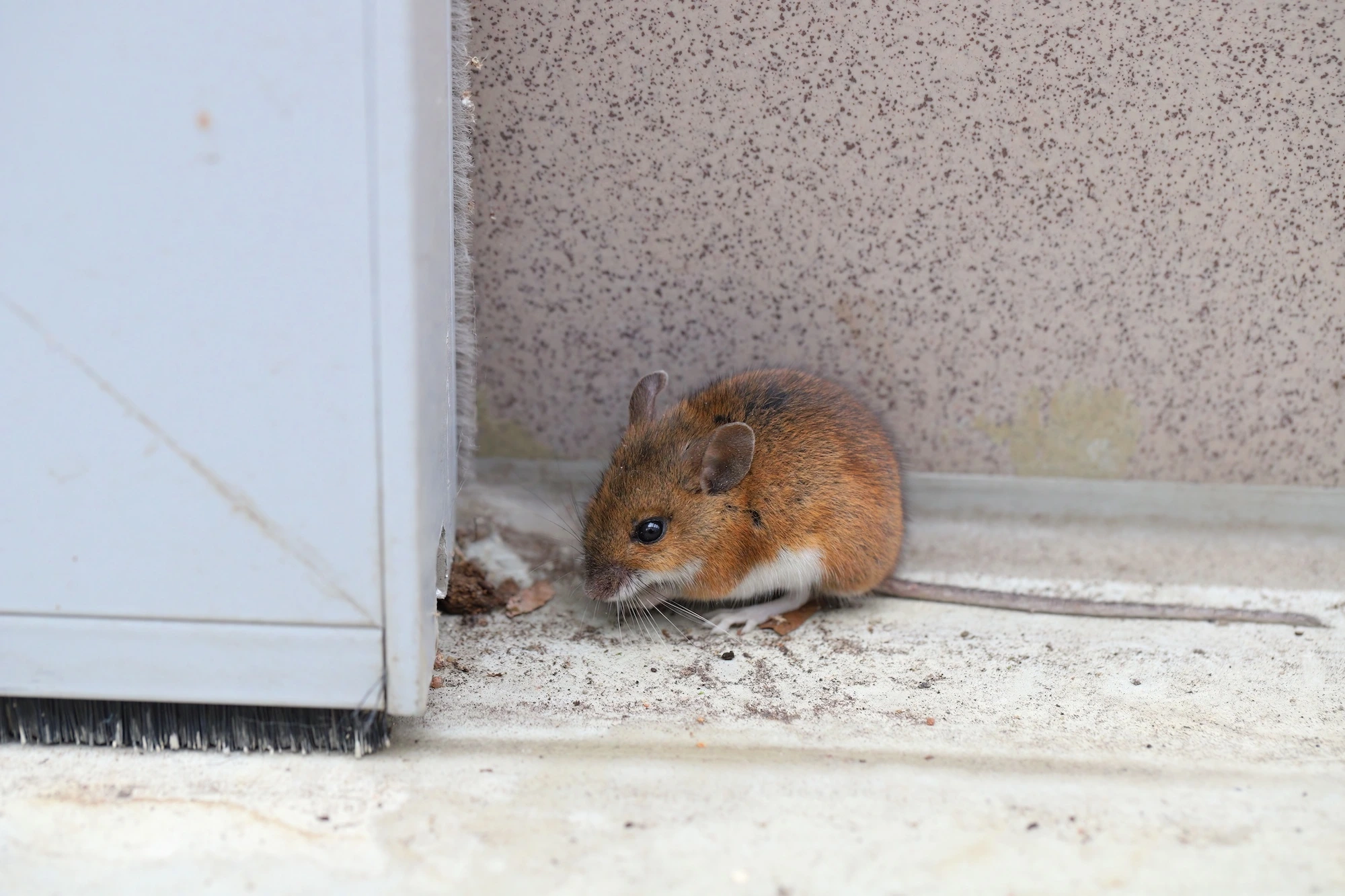
Rodents look for three things: shelter, food, and quiet. Once your car leaves the driveway, an empty home offers all three in abundance. Even a few months without footsteps lets a small group of rats settle in comfortably. Roof rats and mice slip through gaps most homeowners never notice.
In fact, UF/IFAS researchers call roof rats the dominant rat species in Florida. Because our winters stay mild, these agile climbers remain active through every season. So by the time you return in fall, a single nest may hold a growing colony.
Also, roof rats naturally prefer dry, high places to nest. An attic above a vacant home becomes the perfect retreat for rats. That is often where rodent activity begins, long before anyone notices.
Why Vacant Homes Appeal to Rodents:
- Quiet attics where rodents can nest without noise or foot traffic
- Unused garages full of boxes, bags, and soft nesting material for rats
- Fruit trees and palms that hang close to the roofline
- Pet food, birdseed, or pantry goods left behind in storage
Call World Class Wildlife Removal to check for rodents before you fully unpack!
Common Signs of Rodents After a Long Season Away
When you walk in, trust your nose first. A musky, stale odor often points to urine and nesting activity behind walls. Next, scan baseboards, cabinet corners, and the garage floor for droppings. Rodent smells tend to grow stronger in closed, humid rooms with little airflow.
Roof rat droppings look like small dark pellets with pointed ends. Also, watch for greasy rub marks along beams, pipes, and attic edges. If you hear scratching overhead at night, rodents are likely traveling through your ceiling.
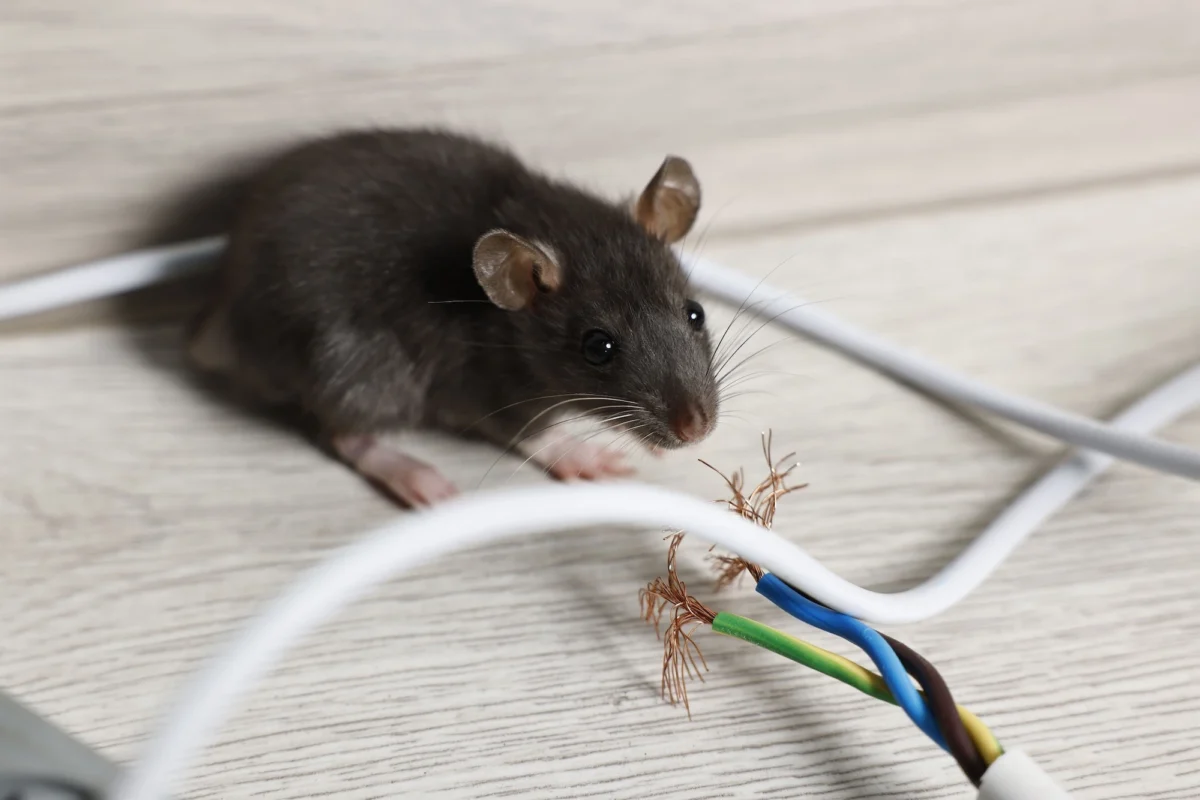
Sometimes the clues appear outside first. Look for chewed screens, gnawed wires on outdoor units, or droppings near the water heater. These details help a technician trace exactly where rodents entered.
Warning Signs to Look For:
- Rodent droppings in drawers, pantries, and along garage walls
- Shredded insulation, paper, or fabric tucked into corners
- Chewed fruit hollowed out on nearby citrus trees
- Rat scratching or scurrying sounds in ceilings after dark
- Grease marks along rafters, pipes, and wall edges
If you spot any of these clues, let World Class Wildlife Removal confirm the source.
How Fall Citrus Season Draws Roof Rats Closer
Now, many snowbirds return just as backyard citrus begins to ripen. According to UF/IFAS, that season runs from September through March. During those months, roof rats often move from palms into nearby fruit trees.
UF/IFAS notes that roof rats hollow out oranges through holes the size of a quarter. Later, those same rats can follow branches straight to your roof. Roof rats climb with ease, using utility lines and fences as highways. From there, a loose soffit or small gap becomes an easy doorway into your attic.
While you were gone, nobody picked up fallen fruit or trimmed overgrown limbs. That gives rats a steady food supply and a direct route indoors. Plus, an early look at your trees keeps small problems from turning into costly repairs.
Outdoor Risk Factors:
- Citrus and fruit trees touching or overhanging the roof
- Dense palms that offer shelter close to the house
- Fallen fruit that feeds rats for weeks at a time
- Bird feeders that spill seed near the foundation
Ask World Class Wildlife Removal to inspect your yard and roofline together.
The Health Risks of Rodent Droppings and Nests
Rodent droppings are more than a simple mess. They can carry germs that drift into the air when rodent nests are disturbed. Rodent urine can also soak into insulation and leave lasting odors. That is why your first cleanup move matters so much.
For example, the CDC advises against sweeping or vacuuming droppings, urine, or nests. Instead, the CDC guidance on cleaning up after rodents recommends airing out closed spaces for 30 minutes first. Then, surfaces should be soaked with disinfectant before anyone wipes them up.
Because attic rodent nests often sit in insulation, heavy cleanup calls for protective gear. Without it, homeowners risk breathing in contaminated dust while they work. So a professional rodent cleanup protects your lungs and your peace of mind.
Health Precautions to Keep in Mind:
- Avoid sweeping or vacuuming any droppings or nesting debris
- Keep children and pets away from affected rooms
- Open doors and windows before anyone starts cleaning
- Leave heavy contamination in attics to trained professionals
World Class Wildlife Removal sanitizes affected areas so your home feels clean and safe again.
Why Professional Rodent Removal Beats DIY Traps
Store-bought traps might catch a rat or two in the garage. However, they rarely address the entry points that let rodents inside. So the problem often returns within a few weeks. Meanwhile, rodents keep breeding quietly inside your walls and attic.
A trained technician looks at the whole home, from the roofline down to the foundation. They find gaps, remove rodent nests, and seal openings with durable materials. Plus, World Class Wildlife Removal uses eco-friendly, non-poisonous methods that protect pets and family.
After removal, technicians also sanitize nesting sites and repair damaged areas. With three generations of experience, our team knows where Tampa Bay rodents like to hide. That full process keeps them from returning next season.
Professional Advantages:
- Full inspections of attics, soffits, vents, and rooflines
- Humane, non-poisonous rodent removal methods that are safe around pets
- Sanitation of nesting areas after the rodents are gone
- Sealed entry holes that block future rodents
Schedule a rodent inspection with World Class Wildlife Removal and skip the guesswork.
Create a Snowbird Plan to Check for Rodents Every Season
Rodent prevention starts before you leave each spring. Store food in sealed containers, trim branches away from the roof, and clear out clutter. Also, ask a trusted neighbor to watch for droppings or chewed fruit while you are away.
When you return, book an inspection during your first week home. That timing catches rodent activity before it spreads into walls and wiring. Even better, regular checks give you peace of mind every time you travel.
If you rent your home out part of the year, schedule checks between guests too. Rodents rarely wait for a convenient moment, so roof rats can move in between bookings.
Your Seasonal Checklist:
- Seal pantry goods in glass, metal, or thick plastic
- Trim tree limbs that give roof rats a path to the roof
- Remove fallen fruit and secure outdoor trash cans
- Schedule a professional inspection soon after you return
Add World Class Wildlife Removal to your return checklist this fall!
Check for Rodents with World Class Wildlife Removal
Coming home to Tampa Bay should feel restful, not stressful. Fortunately, our team is available 24/7 and can be there within an hour of your call. As two-time State Wildlife Tracker of the Year, we proudly serve Hillsborough, Manatee, Pasco, Pinellas, and Sarasota Counties. So before you unpack a single suitcase, call World Class Wildlife Removal and check for rodents with confidence!