
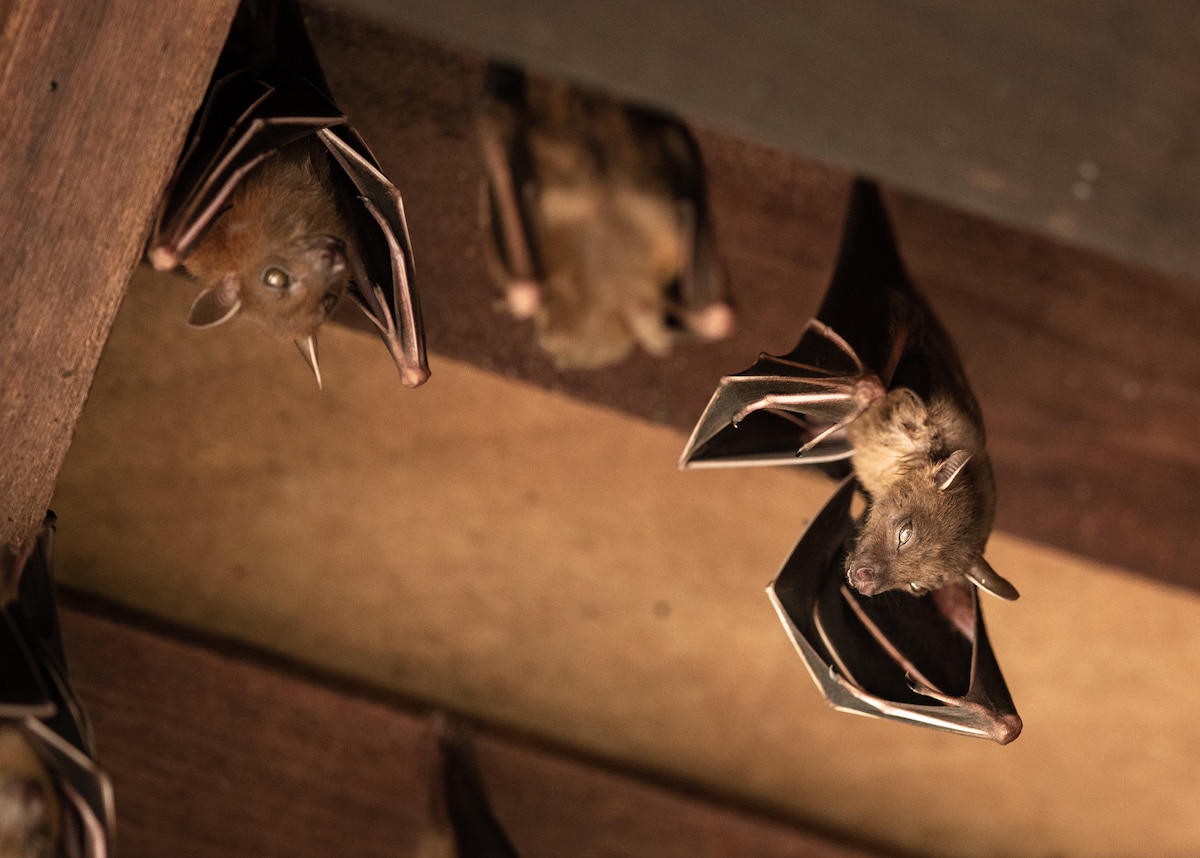
Have you ever wondered whether the bats above your ceiling are protected by state law? In fact, they are. So bat removal in Florida follows strict legal rules, and homeowners who learn them early avoid costly fines. Naturally, World Class Wildlife Removal handles every step of that process legally and completely.
Florida Law Protects Every Bat Roosting in Your Attic
Florida hosts thirteen native bat species, and all of them carry legal protection. Because state rules forbid killing or harming a bat, homeowners cannot simply evict a colony. Simply put, bat removal in Florida begins with respect for those rules. Poison, traps, and relocation are all off the table.
Still, that protection surprises plenty of Tampa Bay families each summer. Once you hear scratching above the bedroom at dusk, the urge to act fast feels overwhelming. However, acting fast without guidance can turn a nuisance into a citation. Instead, slow down and call a licensed pro.
Bats also earn their keep around your yard every single night. Just one bat eats hundreds of insects nightly, mosquitoes included. So the goal of any bat removal is a safe exit, never harm.
What Florida Law Prohibits:
- Killing, trapping, or poisoning any native bat species
- Using lights, sound, or chemicals to harass a roosting colony
- Capturing bats and relocating them to another property
- Sealing entry points while bats remain inside the structure
Call World Class Wildlife Removal before you touch that soffit.
Maternity Season Pauses Bat Removal in Florida
Each year, Florida observes a bat maternity season from April 16 through August 14. During that window, blocking bats from their roost is against the law. So bat removal in Florida stops completely across those months. Legal exclusions may only run from August 15 through April 15.
Why does the calendar matter so much? Mother bats leave at dusk to hunt, while flightless pups stay behind in the roost. If someone seals the opening, those pups are trapped and starve inside your walls.
Naturally, decaying bats bring odor, staining, and secondary insect problems. So the maternity rule guards your home just as much as the colony. Here is where planning your bat removal ahead really pays off.
Maternity Season Basics:
- Bat removal work is permitted only between August 15 and April 15
- Bat pups cannot fly, so they depend entirely on the roost
- Sealing active entry holes is prohibited during the protected months
- A state permit is required for any bat removal inside maternity season
Schedule your inspection now, then let our crew act the moment the window reopens!
Bat Exclusion Devices Are the Only Legal Removal Method
Exclusion is the single approach that Florida wildlife rules actually allow. A device fits over the active exit and works like a one way door. Bats crawl out at dusk, then find no path back inside. Truly, every legal bat removal in Florida depends on that one way exit.
Before installation, a technician watches the evening flight and maps each opening. Because bats squeeze through gaps the width of your thumb, that survey matters enormously. Missing one gap simply moves the colony to another corner of the attic.
Timing and temperature also shape bat exclusion work. When overnight lows dip under 50 degrees, the job gets postponed for the animals’ safety. Still, patience here protects both your home and the colony. Here in Tampa Bay, warm nights arrive often.
How Legal Bat Exclusion Works:
- Bat exclusion devices stay in place for at least four consecutive nights
- Overnight temperatures should hold at 50 degrees or above
- Every active entry point needs a device or a proper seal
- A final inspection confirms the attic is empty before closing gaps
Let our licensed team handle bat exclusion the right way.

Guano Creates Health Risks Above Your Ceiling
Guano piles up quickly when a colony roosts through several warm seasons. Inside a hot Florida attic, that material breaks down and releases fine spores. Histoplasmosis, a lung infection, can develop after someone breathes contaminated dust.
Also, guano soaks into insulation, drywall, and framing over time. Homeowners often notice a spreading brown stain on the bedroom ceiling first. Once staining appears, cleanup calls for protective gear and careful sanitizing. Simply clearing the attic will not undo that damage.
Picture a guest bedroom nobody uses, with a faint musty smell drifting from the vent. Often that odor is the earliest clue of a long standing roost. Clearly, early attention saves you real money later.
Common Attic Concerns:
- Airborne spores linked to respiratory illness in people and pets
- Ruined insulation that no longer holds its rated R value
- Lingering odor that travels through vents and light fixtures
- Secondary insects drawn to accumulated droppings
Ask our team about sanitizing once the colony leaves.
DIY Bat Removal in Florida Carries Real Risk
Online videos make attic work look simple, yet the reality is far messier. Homeowners who seal a roost during maternity season face fines. Even outside that window, an incomplete job traps bats behind finished drywall.
Attics also hide hazards such as loose wiring, brittle trusses, and thin ceiling joists. Because guano dust travels so easily, one afternoon upstairs can mean real exposure. Truly, the savings rarely justify the risk. Really, no weekend project is worth that. Often a rushed DIY attempt costs more than professional bat exclusion.
There is a rabies question, too. Direct contact with a bat means immediate medical evaluation. Instead of handling wildlife yourself, let our trained specialists take over the entire colony.
Costly DIY Bat Removal Mistakes:
- Sealing openings before confirming the attic is completely empty
- Working during protected months without a state issued permit
- Skipping sanitation and leaving guano soiled insulation in place
- Handling bats directly, which raises rabies exposure concerns
Call our licensed team before you climb into that attic.
Sealing Repairs Keep Bats Out for Good
Removal alone never settles anything, since bats return to roosts they know well. After the colony leaves, permanent bat removal repairs begin. Sealing turns your attic into a space that wildlife simply cannot reach.
Florida homes offer openings everywhere, especially along soffits and roof lines. Gable vents, ridge caps, and fascia gaps invite new colonies each and every season. Once those areas close properly, your attic finally stays quiet. Naturally, that quiet is the whole point.
Humidity and sun punish Tampa Bay rooflines year after year. So repairs need durable materials, not a quick bead of caulk. Truly, prevention beats repetition every single time. Truly, quality work here pays you back for decades.
Long Term Bat Exclusion Repairs:
- Sealing soffit seams, fascia gaps, and roof line joints
- Screening gable vents, ridge vents, and attic fan housings
- Replacing damaged wood that invites moisture and wildlife inside
- Follow up checks that confirm every bat exclusion repair is holding
Contact us to protect your attic well before the next colony arrives.
Schedule Professional Bat Removal in Florida Today
Bat removal in Florida rewards patience, careful timing, and hands on experience. Our three generation family team earned State Wildlife Tracker of the Year twice in a row. So homeowners across Hillsborough, Pinellas, Pasco, Manatee, and Sarasota counties trust our crews. Because we work eco friendly and repair what the bats damaged, those nuisances stay gone. Call World Class Wildlife Removal today, then reclaim your quiet attic for good!